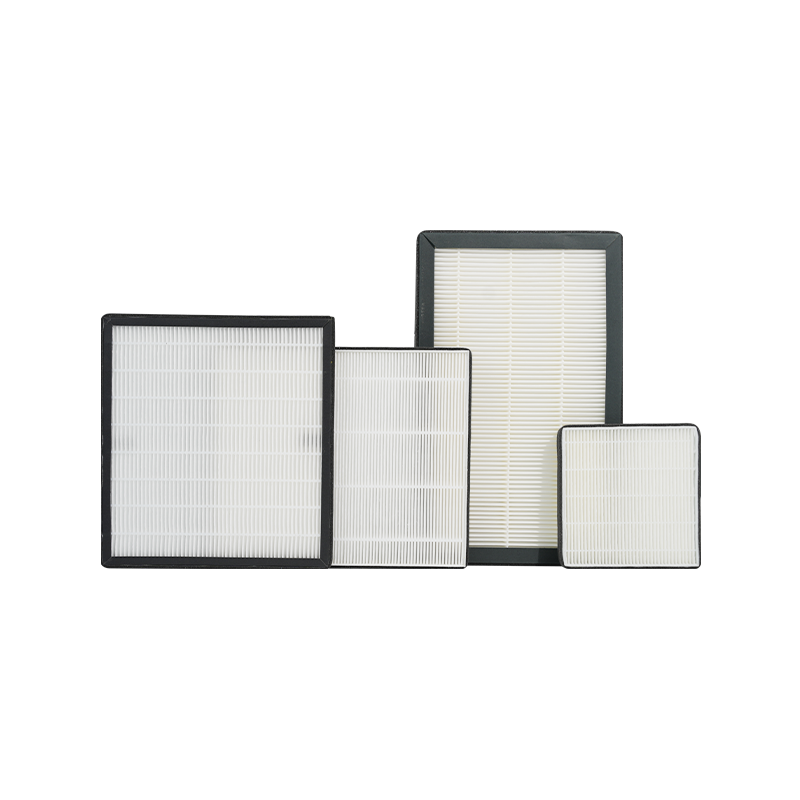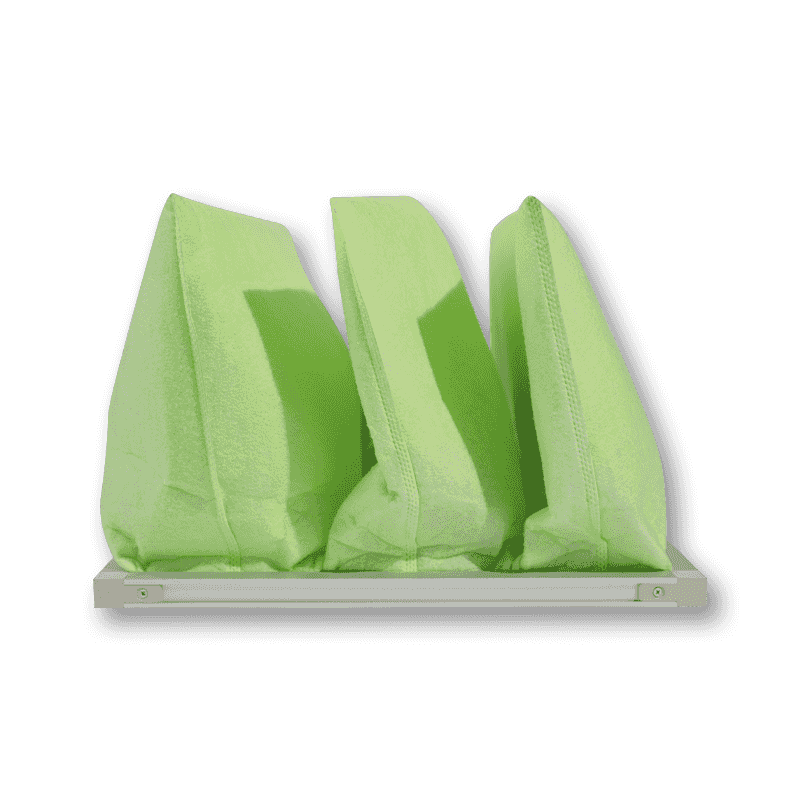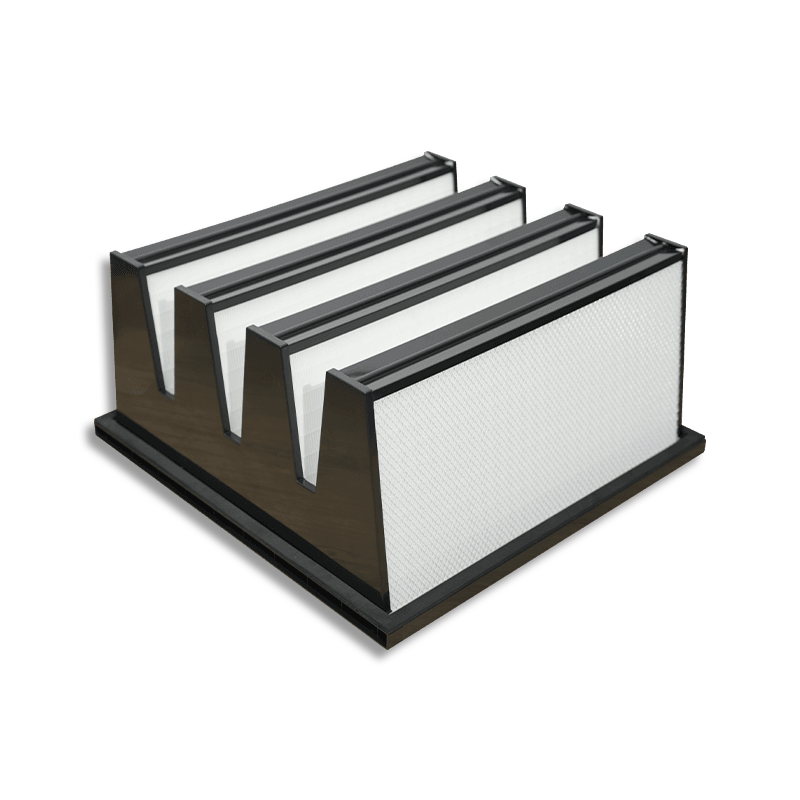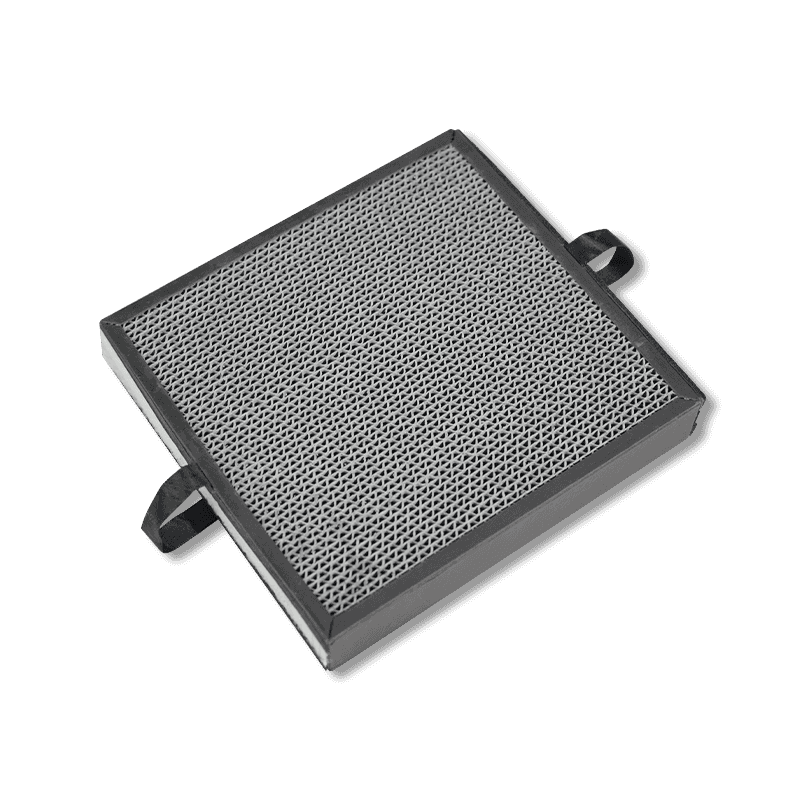

Pleating ناحیه فیلتر را چند برابر می کند، نه فقط کارایی فیلتر
طراحی پلیسه دار عملکرد فیلتراسیون را در درجه اول با افزایش سطح رسانه موثر در یک اندازه قاب ثابت بهبود می بخشد، که سرعت چهره را کاهش می دهد، مقاومت جریان هوا را کاهش می دهد و عمر مفید را افزایش می دهد. یک فیلتر صاف با ردپایی مشابه فیلتر پلیسهدار معمولاً تنها 10 تا 15 درصد از سطح فیلتر قابل استفاده را ارائه میکند و هوا را با سرعت بالاتر از سطح کوچکتری عبور میدهد - این افت فشار را افزایش میدهد و عمر فیلتر را کوتاه میکند. پلیسهکاری این محدودیت مکانیکی را در هر سطح بازدهی بهطور متفاوتی حل میکند: فیلترهای اولیه ظرفیت نگهداری گرد و غبار را به دست میآورند، فیلترهای متوسط بین راندمان و مقاومت جریان هوا تعادل ایجاد میکنند، و فیلترهای HEPA شرایط ساختاری لازم برای دستیابی به نرخ جذب 99.97% را بدون فروپاشی تحت افت فشار به دست میآورند.
چرا پلیسه کاری کار می کند: مکانیسم اصلی
عملکرد فیلتر به شدت به سرعت چهره بستگی دارد - سرعت عبور هوا از هر اینچ مربع از رسانه. سرعت کمتر صورت به این معنی است که ذرات زمان بیشتری را صرف تعامل با الیاف میکنند، و جذب را از طریق سه مکانیسم بهبود میبخشند: رهگیری، نهفتگی و انتشار. تا کردن محیط های مسطح در مجموعه ای از قله ها و دره ها، کل سطح در معرض جریان هوا را بدون افزایش ابعاد خارجی فیلتر افزایش می دهد.
متغیرهای کلیدی که اثربخشی پلیسه را تعیین می کنند
- تعداد پلیسه: تعداد چینها در هر پای خطی رسانه
- عمق پلیسه: فاصله از نوک پلیسه تا قاب فیلتر
- فاصله پلیسه: فاصله بین چین های مجاور، که از جمع شدن رسانه ها با هم جلوگیری می کند
- سفتی مدیا: تعیین میکند که چینها چقدر میتوانند بدون افتادگی فاصله داشته باشند
با این حال، اگر چینها خیلی نزدیک فاصله داشته باشند، جریان هوا بین چینها محدود میشود و افزایش سطح نظری به طور کامل مشخص نمیشود - به همین دلیل است که هندسه پلیسه باید برای هر نوع رسانه مهندسی شود نه اینکه بیدیده به حداکثر برسد.
فیلترهای اولیه: پلیسه برای ظرفیت نگهداری گرد و غبار و عمر خدمات
فیلترهای اولیه ذرات بزرگتر مانند پرز، مو، حشرات و گرد و غبار درشت را هدف قرار دهید. از آنجایی که خود مدیا به صورت آزاد بافته شده و ذاتاً مقاومت کمی دارد، مزیت اصلی چینکاری در اینجا کارایی نیست - ظرفیت آن است.
تاثیر عملی
- یک فیلتر اولیه چین دار می تواند گرد و غبار بیشتری را قبل از رسیدن به نقطه مقاومت نهایی خود در خود نگه دارد و معمولاً فواصل سرویس را 2 تا 3 برابر در مقایسه با فیلتر صفحه تخت با همان اندازه افزایش می دهد.
- افت فشار اولیه کمتر مصرف انرژی فن را از شروع چرخه عمر فیلتر کاهش می دهد
- کاهش فرکانس تعویض، هزینه های نیروی کار و مواد را در برنامه های نگهداری HVAC کاهش می دهد
در عمل، این باعث میشود که فیلترهای اولیه پلیسهدار انتخاب استانداردی برای مراحل قبل از فیلتراسیون قبل از فیلترهای متوسط یا هپا گرانتر باشند، زیرا آنها از رسانههای پایین دستی در برابر بارگذاری زودرس محافظت میکنند.
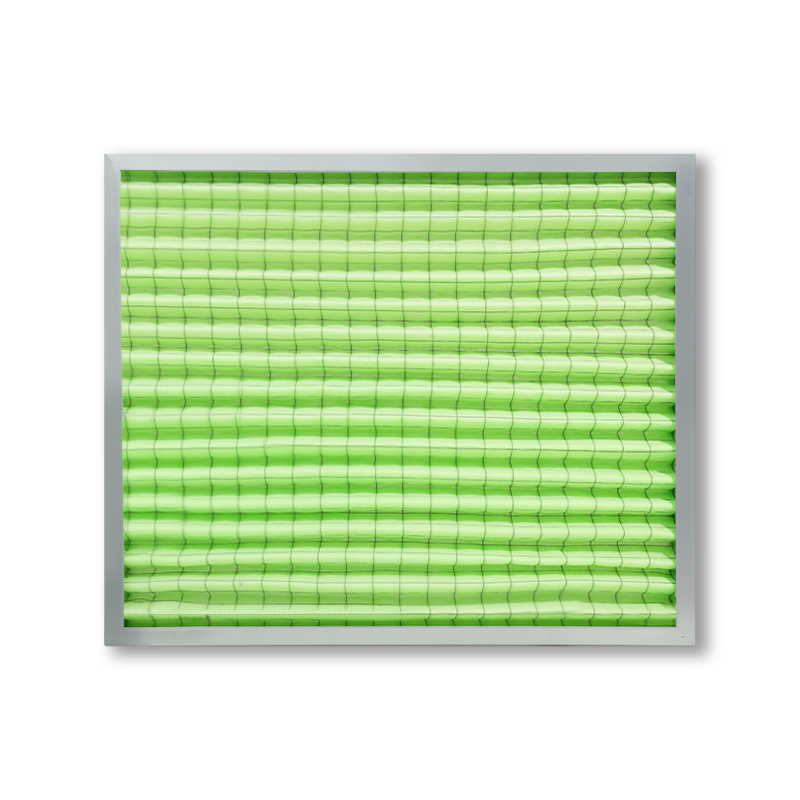
فیلترهای با کارایی متوسط: پلیسه به عنوان یک ابزار متعادل کننده
فیلترهای با راندمان متوسط (MERV 9-15 یا F5-F9) از محیط های متراکم تری استفاده می کنند که برای جذب ذرات کوچکتر مانند هاگ های کپک، گرده و گرد و غبار ریز طراحی شده اند. رسانه های متراکم تر به طور طبیعی مقاومت بیشتری در جریان هوا ایجاد می کنند، بنابراین پلیسه شدن نقش دوگانه ای دارد: باید سطح سطح را به اندازه کافی افزایش دهد تا مقاومت الیاف ریزتر را جبران کند، در حالی که همچنان در ابعاد استاندارد مجرای و محفظه قرار می گیرد.
چرا این تعادل مهم است
بدون چینکاری کافی، یک فیلتر با راندمان متوسط با استفاده از محیطهای ریز میتواند مقاومت کافی را ایجاد کند تا دمندههای HVAC را تحت فشار قرار دهد و هزینههای انرژی را به میزان قابل توجهی افزایش دهد. تولیدکنندگان معمولاً تعداد پلیسه و عمق آن را با تراکم رسانه افزایش می دهند تا منحنی افت فشار را در طول عمر فیلتر قابل کنترل نگه دارند.
| رفتار مقاومتی مقایسه ای بین محیط های با راندمان متوسط صاف و پلیسه دار با درجه فیلتراسیون مشابه | |||
| نوع طراحی | تقریبا مساحت سطح | مقاومت اولیه | عمر سرویس معمولی |
| صفحه تخت | کم | بالاتر | کوتاه تر |
| پانل پلیسه دار | 3–7 برابر بزرگتر | کمer | طولانی تر |
این تعادل همچنین به همین دلیل است که فیلترهای با راندمان متوسط معمولاً در ساختمانهای تجاری و بیمارستانها به عنوان یک مرحله مقرونبهصرفه قبل از فیلتراسیون نهایی HEPA استفاده میشوند - آنها بخش بزرگی از بار ذرات را بدون جریمه مقاومتی که رسانههای ظریفتر اعمال میکنند حذف میکنند.
فیلترهای HEPA: پلیسه کردن به عنوان یک ضرورت ساختاری
برای فیلترهای HEPA، پلیسه شدن صرفاً یک بهبود نیست - این شرایطی است که فیلتراسیون درجه HEPA را از نظر فیزیکی قابل دستیابی میکند. رسانه HEPA طوری مهندسی شده است که ذرات کوچکی به اندازه 0.3 میکرون با راندمان 99.97٪ یا بالاتر را جذب کند که به یک ماتریس فیبر بسیار متراکم نیاز دارد. بدون ساختار عمیق یا مینی پلیسه، مقاومت در سراسر آن رسانه متراکم برای فنها و دمندههای استاندارد بسیار زیاد است.
ساخت و ساز Deep-Pleat و Mini-Pleat
- طرحهای چیندار عمیق میتوانند 10 تا 15 برابر بیشتر از یک ورق تخت در یک قاب قرار بگیرند.
- جداکننده های مینی پلیسه (اغلب مهره های چسب آلومینیومی یا ذوب داغ) چین ها را در فاصله یکنواخت نگه می دارند و از فرو ریختن رسانه ها و مسدود شدن کانال های جریان هوا جلوگیری می کنند.
- این فاصله به سه مکانیسم جذب هسته - انتشار، رهگیری و ضربه اینرسی - اجازه می دهد تا به طور موثر در سرعت کم صورت عمل کنند.
مثال عملی
یک جعبه فیلتر استاندارد HEPA 24 اینچ 24 اینچ در 11.5 اینچ با استفاده از ساختار پلیسه عمیق میتواند حاوی تقریباً 70 تا 100 فوت مربع رسانه باشد، در مقایسه با چند فوت مربع اگر همان رسانه صاف باقی بماند. این افزایش ناحیه چیزی است که به فیلتر اجازه میدهد تا نرخ جریان هوا را برای اتاقهای تمیز، اتاقهای ایزوله بیمارستان و برنامههای کاربردی اتاق تمیز با استانداردهای سختگیرانه در جلسات صنعتی حفظ کند.
مقایسه نقش پلیسه در بین نمرات فیلتر
| خلاصه ای از تفاوت مزایای پلیسه با درجه فیلتراسیون | |||
| درجه فیلتر | فواید اولیه پلیسه کردن | عمق پلیسه معمولی | برنامه مشترک |
| اولیه (G3–G4) | ظرفیت نگهداری گرد و غبار، عمر طولانی تر | 1-2 اینچ | پیش فیلتراسیون، تهویه عمومی |
| متوسط (F5–F9) | تعادل راندمان و مقاومت | 2-4 اینچ | ساختمان های تجاری، بیمارستان ها (مرحله ثانویه) |
| HEPA (H13-H14) | امکان سنجی ساختاری جذب فوق العاده ریز | تا 11.5 اینچ (پلیس عمیق) | اتاق های تمیز، اتاق های ایزوله، تولید نیمه هادی |
غذای آماده برای انتخاب فیلتر
هنگام ارزیابی فیلترها در یک سیستم چند مرحلهای، هندسه پلیسه باید به اندازه رتبهبندی MERV یا HEPA مورد توجه قرار گیرد، زیرا دو فیلتر با رتبهبندی بازدهی یکسان میتوانند بسته به تعداد و عمق پلیسهها در مصرف انرژی و طول عمر در دنیای واقعی بسیار متفاوت عمل کنند. برای طراحان سیستم، تطبیق عمق و تعداد پلیسه با تراکم رسانه خاص و الزامات جریان هوا در هر مرحله - به جای این که فرض کنیم تعداد پلیسه های بالاتر همیشه بهتر است - کلید بهینه سازی عملکرد فیلتراسیون و هزینه عملیاتی طولانی مدت است.
- از فیلترهای اولیه پلیسه دار برای افزایش عمر مراحل پایین دستی و هپا استفاده کنید
- برای جلوگیری از مقاومت بیش از حد، عمق پلیسه با کارایی متوسط را بر اساس چگالی رسانه خاص انتخاب کنید
- تأیید کنید که فاصله پلیسه HEPA برای سرعت جریان هوا مورد نیاز تأیید شده است، زیرا فاصله گذاری نامناسب باعث کاهش منطقه موثر ضبط می شود حتی اگر سطح کل رسانه بالا به نظر برسد