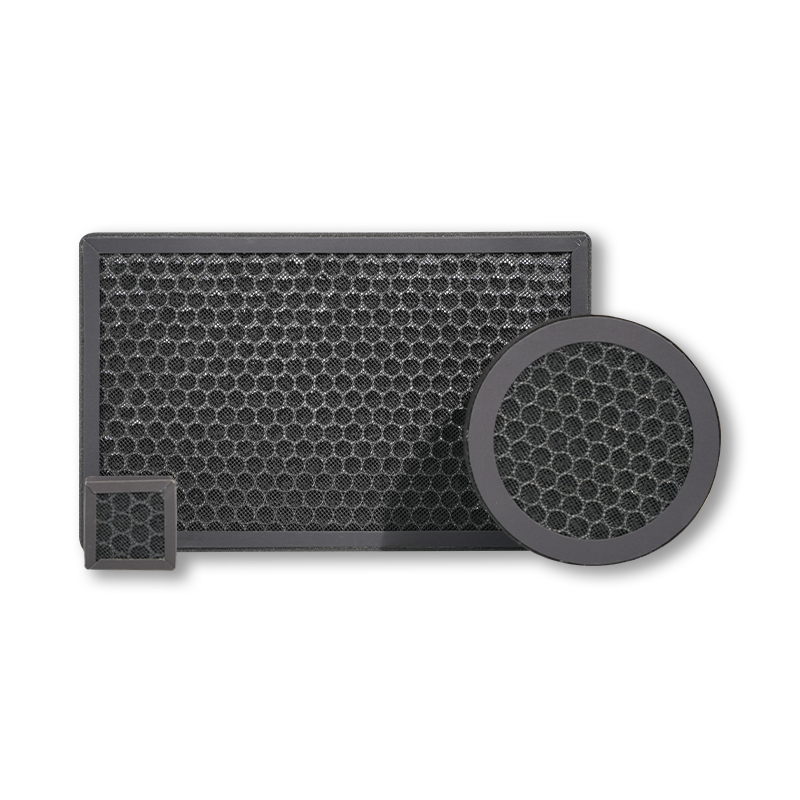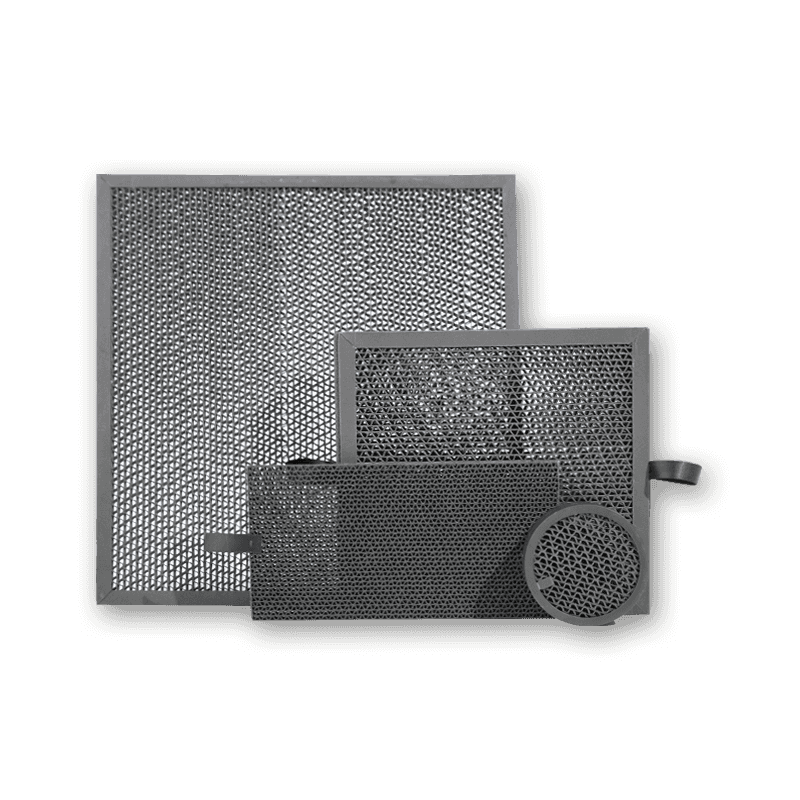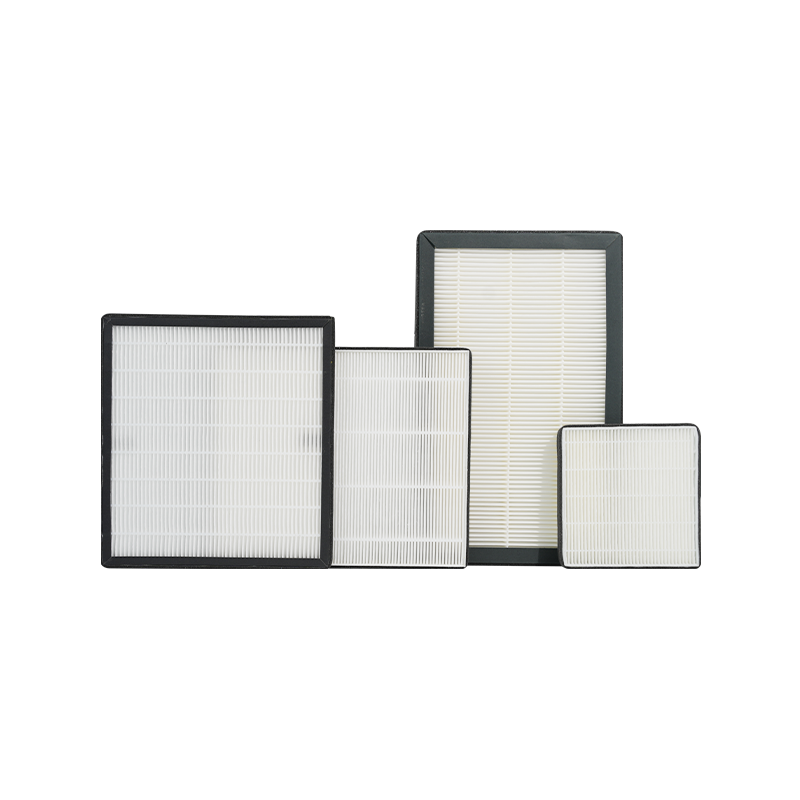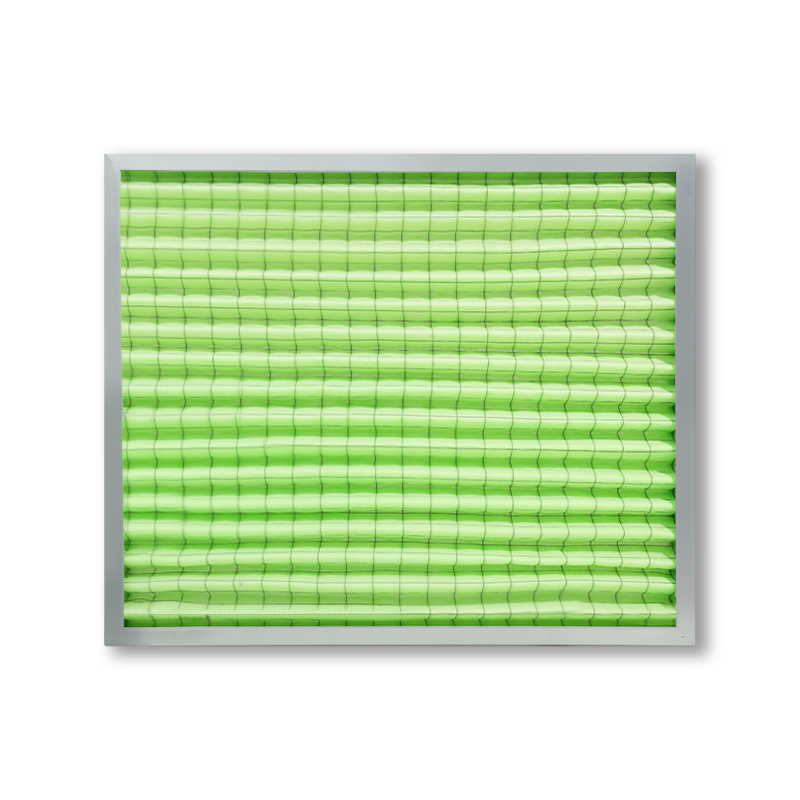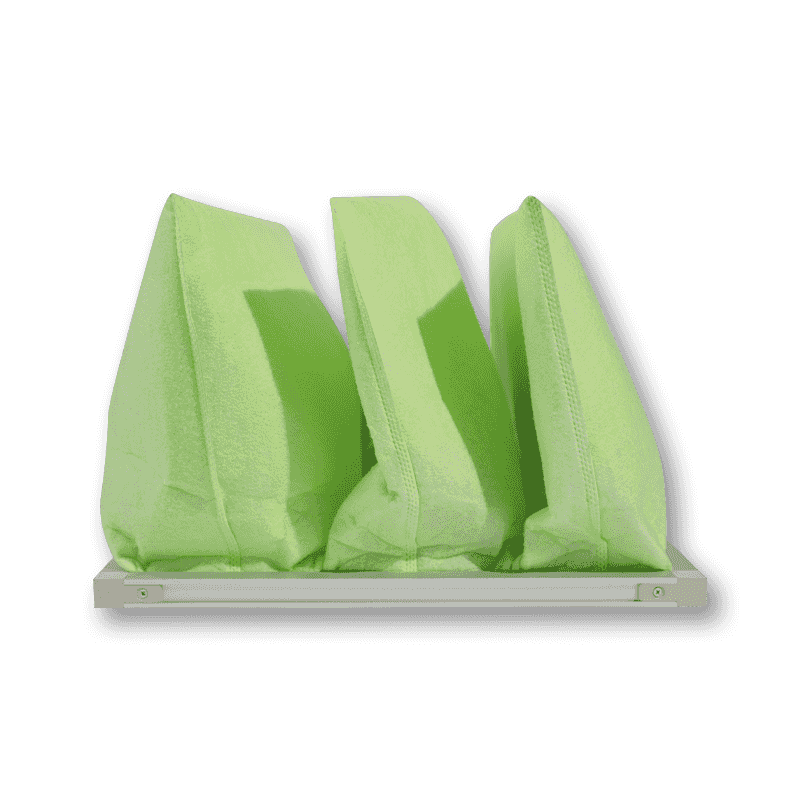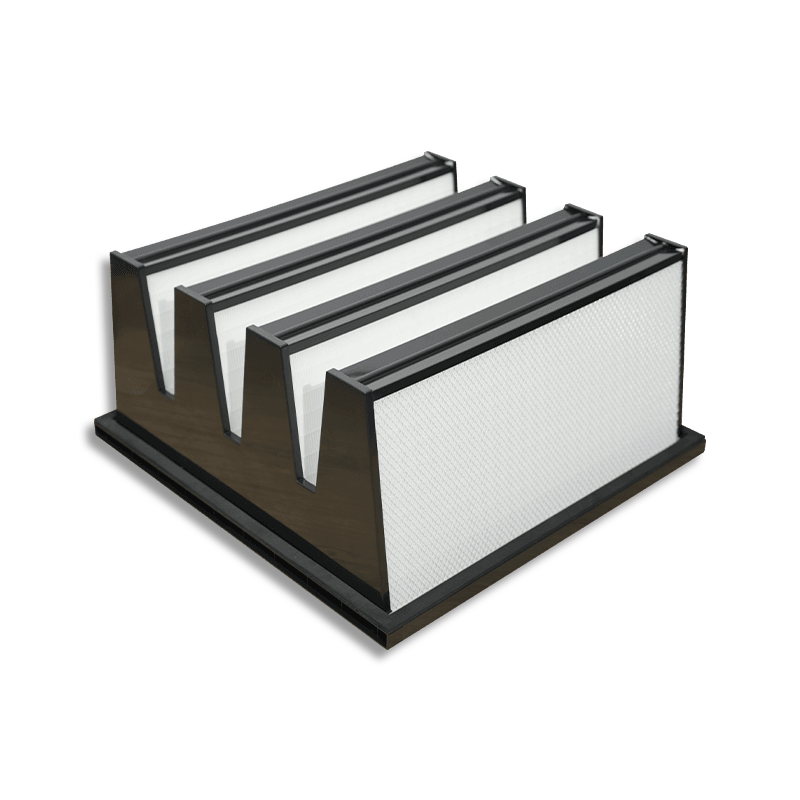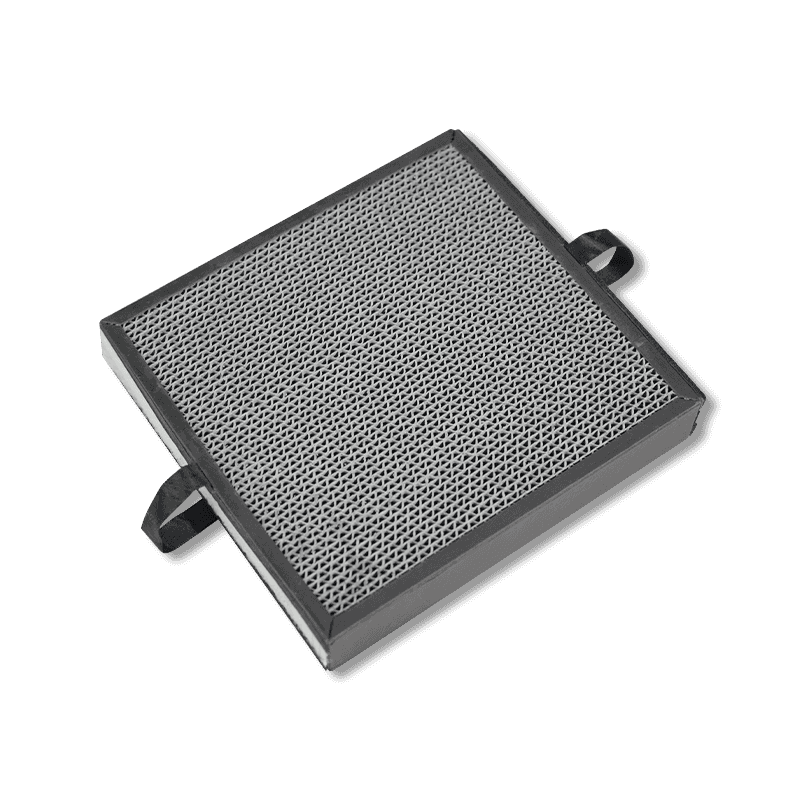

انتخاب مناسب فیلتر هوا بهره وری برای ساختمان های تجاری بخش مهمی از حفظ کیفیت هوای داخل ساختمان، حفاظت از سیستم های HVAC و کاهش هزینه های عملیاتی است. ظرفیت فیلترهای هوا برای جذب ذرات با اندازه های مختلف بسیار متفاوت است و انتخاب فیلتر نامناسب می تواند منجر به مصرف بیش از حد انرژی، گرفتگی سریع فیلتر یا کیفیت نامناسب هوا شود. این راهنما تجزیه و تحلیل عمیقی از ملاحظات کارایی فیلتر، از جمله رتبه بندی MERV، نوع ساختمان، سازگاری سیستم، الزامات تعمیر و نگهداری و استراتژی های فیلتراسیون لایه ای برای بهینه سازی عملکرد تجاری HVAC ارائه می دهد.
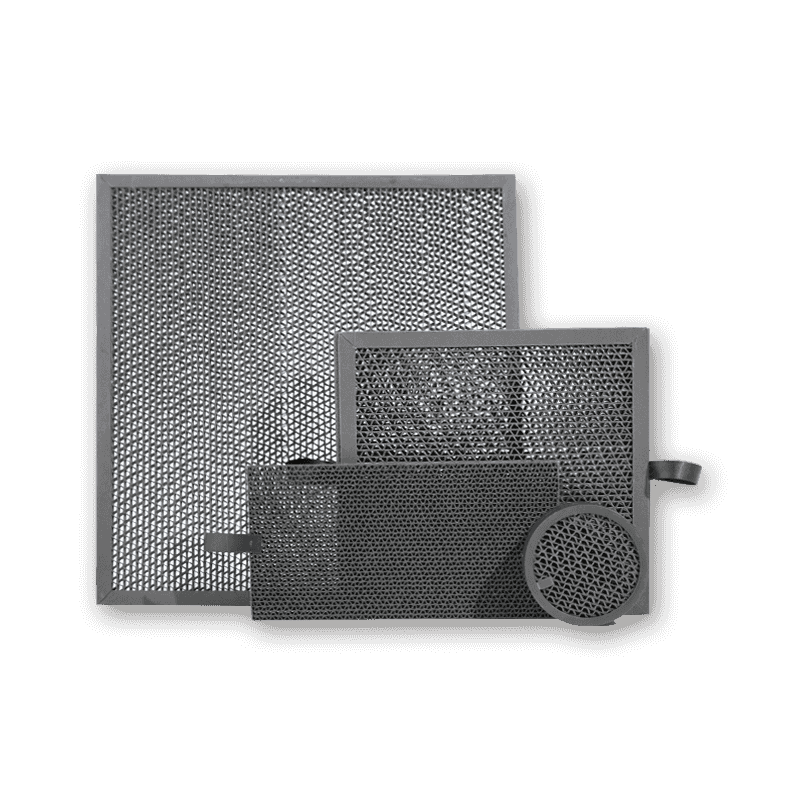
آشنایی با کارایی فیلتر هوا
تعریف و اهمیت
راندمان فیلتر هوا توانایی فیلتر را برای حذف ذرات معلق در هوای عبوری از سیستم های HVAC اندازه گیری می کند. در ساختمان های تجاری، این ذرات شامل گرد و غبار، گرده، هاگ های کپک، دود، شوره حیوانات خانگی و ذرات ریز مانند PM2.5 می باشد. کارایی معمولاً با استفاده از مقیاس حداقل گزارش کارایی (MERV) بیان میشود که برای فیلترهای تجاری استاندارد از 1 تا 16 متغیر است. رتبهبندی MERV درصد ذراتی را که فیلتر میتواند در محدودههای اندازههای مختلف جذب کند نشان میدهد:
- MERV 1-4: ذرات بزرگ را می گیرد. فقط برای پیش فیلتراسیون اولیه در مناطق کم تقاضا مناسب است.
- MERV 5-8: ذرات با اندازه متوسط را می گیرد. در ساختمان های اداری عمومی و مدارس رایج است.
- MERV 9-12: ذرات ریز از جمله گرد و غبار و آلرژن ها را جذب می کند. در فضاهایی که نیاز به کیفیت هوای بهتری دارند استفاده می شود.
- MERV 13-16: فیلترهای با کارایی بالا که قادر به جذب ذرات بسیار ریز و برخی میکروارگانیسم ها هستند. برای کاربردهای بهداشتی یا آزمایشگاهی مورد نیاز است.
- HEPA (MERV 17-20): ذرات بسیار ریز از جمله باکتری ها و ویروس ها را جذب می کند. برای اتاق های تمیز، بیمارستان ها و محیط های صنعتی تخصصی حیاتی است.
انتخاب بازده فیلتر مناسب تضمین می کند که آلاینده های موجود در هوا به طور موثر حذف می شوند و در عین حال جریان هوای HVAC، کارایی انرژی و طول عمر سیستم حفظ می شود. فیلترهای با راندمان بالا که بسیار محدود کننده هستند می توانند افت فشار سیستم را افزایش دهند، جریان هوا را کاهش دهند و مصرف انرژی فن را افزایش دهند، در حالی که فیلترهای با راندمان پایین ممکن است باعث تجمع بیش از حد گرد و غبار در ساختمان و تجهیزات HVAC شوند.
تاثیر بر عملکرد HVAC
فیلترهای با راندمان بالاتر معمولاً ذرات کوچکتر را به طور مؤثرتری جذب می کنند، اما این با افزایش مقاومت در برابر جریان هوا همراه است که به عنوان افت فشار شناخته می شود. افت فشار بیش از حد می تواند سیستم HVAC را مجبور کند تا برای حفظ جریان هوای مورد نظر سخت تر کار کند، که ممکن است هزینه های انرژی را افزایش دهد و طول عمر فن ها، موتورها و سایر اجزای مکانیکی را کاهش دهد. بنابراین، انتخاب بازده فیلتر باید تعادل بین کیفیت هوا و عملکرد سیستم را در نظر بگیرد. ساختمانهای تجاری اغلب با استفاده از فیلترهای با راندمان متوسط با مرحله پیش فیلتر برای محافظت از فیلترهای با راندمان بالاتر، عملکرد بهینه را به دست میآورند و در نتیجه به کارایی انرژی و حذف موثر ذرات به طور همزمان دست مییابند.
عواملی که باید در هنگام انتخاب کارایی فیلتر در نظر گرفت
اشغال و کاربری ساختمان
هدف و اشغال یک ساختمان تجاری به طور قابل توجهی بر کارایی مناسب فیلتر تأثیر می گذارد. مناطق پرتردد مانند ادارات، مدارس و مراکز خرید از فیلترهای با راندمان متوسط (MERV 8-12) بهره می برند که گرد و غبار، آلرژن ها و زباله ها را از بین می برد و در عین حال جریان هوای مناسب را حفظ می کند. ساختمانهایی که عملیات حساسی دارند، مانند بیمارستانها، آزمایشگاهها یا اتاقهای تمیز، برای حذف ذرات ریز، باکتریها و ویروسها به فیلترهای با کارایی بالا یا HEPA نیاز دارند. انتخاب یک فیلتر مناسب با فضای اشغال خاص تضمین می کند که کیفیت هوای داخل با استانداردهای نظارتی مطابقت دارد و راحتی سرنشینان را حفظ می کند. به عنوان مثال، یک مرکز مهدکودک ممکن است برای محافظت از کودکان در برابر آلرژنها به رتبهبندی MERV بالاتری نیاز داشته باشد، در حالی که یک انبار ممکن است جریان هوا و بهرهوری انرژی را به فیلتراسیون بسیار ظریف اولویت دهد.
کیفیت هوای محلی
کیفیت هوای فضای باز یکی دیگر از عوامل مهم در انتخاب راندمان فیلتر است. ساختمانهایی که در مناطق شهری با ترافیک بالا، مناطق صنعتی یا محلهای ساخت و ساز قرار دارند، در معرض سطوح بالایی از گرد و غبار، PM2.5 و سایر آلایندههای موجود در هوا هستند. در این محیط ها فیلترهای با راندمان بالاتر برای جلوگیری از ورود این آلاینده ها به داخل ساختمان و تاثیر بر کیفیت هوای داخل ساختمان ضروری است. برعکس، ساختمانها در مناطقی که هوای بیرون تمیزتر دارند ممکن است با فیلترهای با راندمان متوسط به طور موثر عمل کنند و عملکرد فیلتراسیون را با بهرهوری انرژی متعادل کنند. درک زمینه محیطی محلی به اپراتورهای ساختمان اجازه می دهد تا تصمیمات مقرون به صرفه و عملکرد محور را هنگام انتخاب بازده فیلتر اتخاذ کنند.
سازگاری سیستم
سیستمهای HVAC تجاری به گونهای طراحی شدهاند که در محدوده خاصی از جریان هوا و افت فشار کار کنند. نصب فیلتری که بیش از افت فشار مجاز سیستم باشد می تواند جریان هوا را کاهش دهد، کارایی سیستم را کاهش دهد و هزینه های انرژی را افزایش دهد. بررسیهای سازگاری سیستم باید شامل ظرفیت فن، طراحی کویل، پیکربندی کانال و حداکثر افت فشار مجاز برای هر مرحله فیلتر باشد. انتخاب فیلتری که با طراحی سیستم هماهنگ باشد از مشکلات عملیاتی جلوگیری می کند، جریان هوا را حفظ می کند و عمر مفید تجهیزات HVAC را افزایش می دهد. مشاوره با مشخصات سازنده و مهندسان حرفه ای تضمین می کند که انتخاب فیلتر عملکرد سیستم را به خطر نمی اندازد.
هزینه های نگهداری و عملیاتی
فیلترهای با راندمان بالاتر به دلیل تجمع سریعتر ذرات، به ویژه در محیط های پرترافیک یا آلوده، عموماً به تعمیر و نگهداری مکرر نیاز دارند. اپراتورهای ساختمان باید هزینه تعویض فیلتر، نیروی کار برای نگهداری و خرابی مربوط به تعویض فیلتر را در نظر بگیرند. استفاده از پیش فیلترها یا مش فیلترهای اولیه می تواند بار ذرات فیلترهای با راندمان بالا را کاهش دهد، طول عمر آنها را افزایش دهد و هزینه های نگهداری را کاهش دهد. ملاحظات هزینه عملیاتی به اندازه انتخاب فیلتر اولیه مهم است، به ویژه برای ساختمان های تجاری بزرگ با واحدهای تهویه مطبوع متعدد که در آن تعویض فیلتر می تواند هزینه های تکرار شونده قابل توجهی را نشان دهد.
کارایی فیلترهای توصیه شده برای کاربردهای تجاری مختلف
جدول زیر توصیه های عملی را برای کارایی فیلتر بر اساس نوع ساختمان تجاری و کاربرد آن خلاصه می کند:
| نوع ساختمان | رتبه بندی توصیه شده MERV | منطق |
| ساختمان های اداری | MERV 8-11 | حذف ذرات را با بهره وری انرژی در محیط های اداری عمومی متعادل می کند. |
| مدارس و مهدکودک ها | MERV 8-12 | مواد آلرژی زا و گرد و غبار را جذب می کند و در عین حال جریان هوا را برای فضاهای پر اشغال حفظ می کند. |
| بیمارستان ها و مراکز درمانی | MERV 13-16 یا HEPA | حذف ذرات بالا، کنترل پاتوژن و مطابقت با استانداردهای کیفیت هوا را تضمین می کند. |
| مراکز خرید و ساختمان های عمومی | MERV 8-12 | برای فضاهایی با اشغال متوسط تا زیاد در عین به حداقل رساندن مصرف انرژی موثر است. |
| آزمایشگاه ها و اتاق های تمیز | HEPA (MERV 17-20) | ذرات بسیار ریز و آلاینده ها را برای محیط های کنترل شده حذف می کند. |
استفاده از فیلتراسیون لایه ای برای عملکرد بهینه
پیش فیلترها و مش فیلتر اولیه
سیستم های فیلتراسیون لایه ای از فیلترهای پیش فیلتر یا مش فیلترهای اولیه در بالادست فیلترهای با راندمان متوسط یا بالا برای حذف ذرات درشت استفاده می کنند. این کار باعث کاهش بار فیلترهای با راندمان بالاتر، جلوگیری از گرفتگی زودرس، کاهش افت فشار و بهبود بهره وری کلی انرژی می شود. پیش فیلترها می توانند قابل شستشو یا یکبار مصرف باشند و استفاده از آنها در محیط هایی با سطح گرد و غبار یا زباله زیاد ضروری است. اجرای صحیح فیلتراسیون لایه ای تضمین می کند که فیلترهای با راندمان بالا عملکرد خود را حفظ می کنند و در عین حال فرکانس نگهداری و هزینه های عملیاتی را کاهش می دهند.
ترکیب مراحل فیلتر
ترکیب فیلترهای اولیه با فیلترهای با راندمان متوسط و بالا به سیستم های HVAC تجاری اجازه می دهد تا ذرات را در طیف وسیعی از اندازه، از زباله های درشت گرفته تا آلاینده های بسیار ریز جذب کنند. این رویکرد مرحلهای کیفیت هوای داخل ساختمان را به حداکثر میرساند، عمر فیلتر را افزایش میدهد و مصرف انرژی را به حداقل میرساند. هر مرحله عملکرد خاصی را انجام می دهد: پیش فیلترها ذرات بزرگ را جذب می کنند، فیلترهای با راندمان متوسط ذرات کوچکتر را حذف می کنند و فیلترهای با راندمان بالا یا HEPA ریزترین ذرات و آلاینده های میکروبی را از بین می برند. فیلتراسیون لایه ای یک راه حل مقرون به صرفه ارائه می دهد که کیفیت هوا، طول عمر سیستم و کارایی عملیاتی را متعادل می کند.
انتخاب راندمان مناسب فیلتر هوا برای ساختمان های تجاری نیازمند درک جامعی از اشغال ساختمان، کیفیت هوای بیرون، طراحی سیستم HVAC و ملاحظات نگهداری است. فیلترهای با راندمان متوسط (MERV 8-12) برای فضاهای تجاری عمومی مناسب هستند، در حالی که محیطهای پر اشغال یا بحرانی مانند بیمارستانها به رتبهبندی بالاتر MERV یا فیلترهای HEPA نیاز دارند. فیلتراسیون لایه ای با استفاده از مش های فیلتر اولیه، جذب موثر ذرات را تضمین می کند، عمر فیلتر را طولانی تر می کند، جریان هوا را حفظ می کند و هزینه های انرژی را کاهش می دهد. با در نظر گرفتن این عوامل، اپراتورهای ساختمان می توانند به کیفیت هوای داخلی، بهره وری انرژی و قابلیت اطمینان طولانی مدت سیستم HVAC دست یابند.